
Mission
artivism is a collegiate-centric production company that merges artistry (music, movement, and media) with activism (actions to achieve societal change) to create transformative experiences for young people that are accessible for all.

artivism’s vision is threefold:
-
to inspire an ultimate sense of agency in today’s youth using art performance — akin to a “finishing school” emphasizing behavior modification, professional development, employability, well-being, and resilience
-
to provide an archetype (blueprint) as a model for real-world performance opportunities highlighting process, infrastructure, and organization
-
to be the symbol of the principle of effective altruism in the arts — a modern-day, “authorized” Robin Hood addressing resource allocation

-
replicable and growth oriented
-
best interest of society as a whole
-
based on tried and true practices
-
achievable and attainable
-
welfare of those involved
-
from ages 5 to 95
-
fiscally responsible, affordable, and ultimately profitable
Values & Principles
The Human Algorithm:
Why Art Matters in the Age of AI
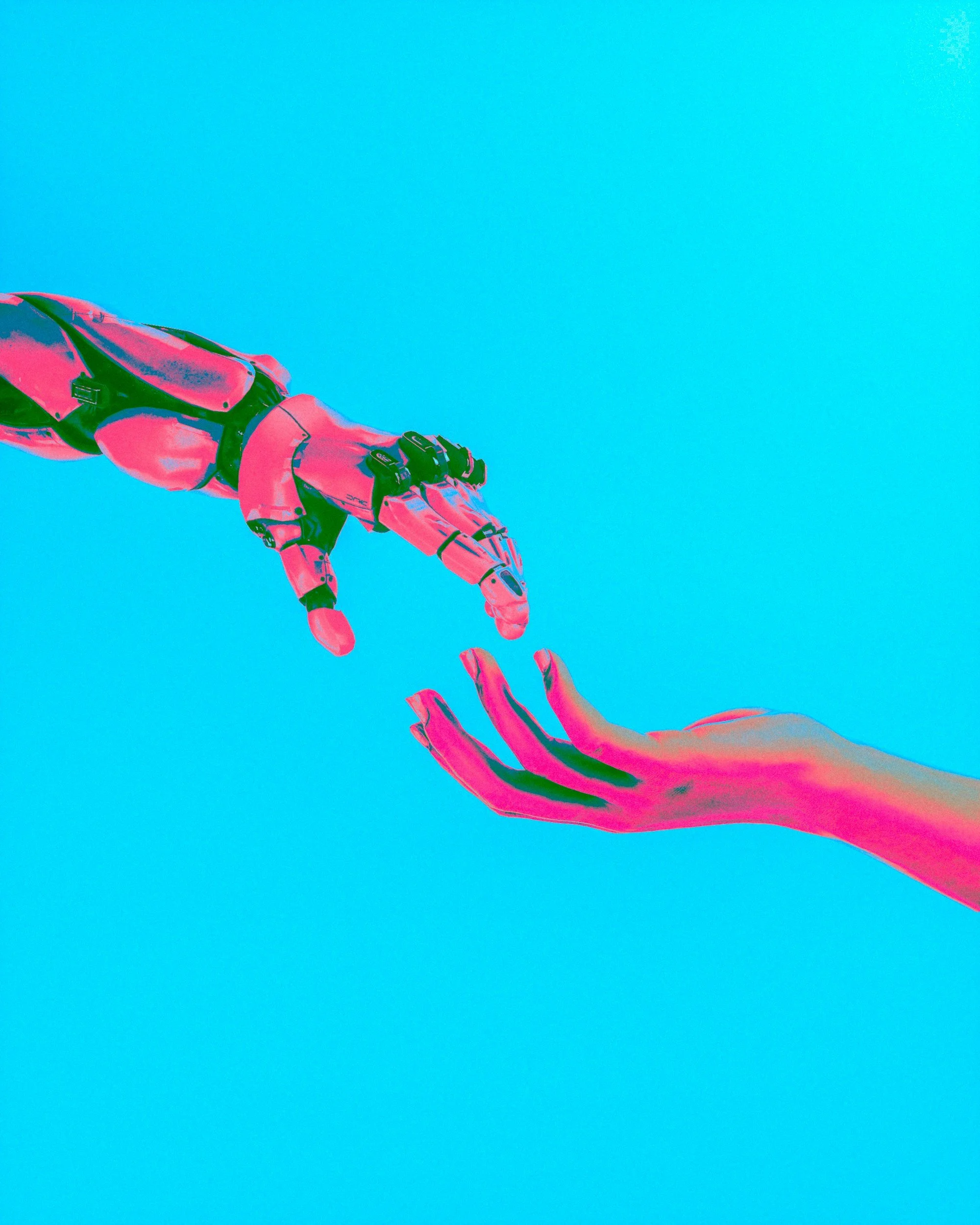
In an era defined by algorithms, predictive models, and limitless digital generation, we are constantly being taught how to optimize, categorize, and anticipate. While artificial intelligence excels at processing information and perfecting efficiency, it cannot replicate one thing: the unpredictable power of human connection.
artivism exists in that beautiful, messy, and irreplaceable space between the code and the heart. We do not compete with technology; we complement it.
Our focus remains on what AI can never simulate: the shared breath of a crowd, the vulnerability of an improvised performance, the collective roar of genuine human achievement, or the spark of spontaneous empathy that drives social change.
artivism provides the vital counterpoint to digital perfection: a space where genuine development, heartfelt connection, and the messy brilliance of humanity are not just celebrated, but built into every single note. We teach and remind people how to be beautifully, wonderfully human again.


be human

“The many issues that continue to plague underserved communities persist to serve as examples of disparity that still exists in this country. For me, it was something much closer that had a profound effect. It was the very place I claimed as home for my entire childhood.
This place is Waterloo, IA — where my grandparents acquired a few acres of land where they raised livestock and farmed crops, thus providing food for the extended family; a luxury for a man of color at that time. It was this same place where my parents were able to obtain advanced degrees which led to amazing careers. In fact, my dad was the first black man in the state to achieve the position of principal for a high school, and, to this day, there is a school named after him called the Dr. Walter Cunningham School of Excellence. This level of success has also followed my family for generations thereafter.
While I have the fondest memories regarding this little town, it is unfortunately this same place that is plagued with a level of racial disparity that places it on a list to which I am not proud. Waterloo is reportedly among the 15 worst cities for black Americans. The Wall St. Journal ranked the nation’s metropolitan areas based on racial disparities in income, education, health, incarceration, and white-black achievement gaps in other socioeconomic outcomes using data from the U.S. Census Bureau, the Centers for Disease Control and Prevention, and the Bureau of Justice Statistics. Waterloo was #1 on the list for 2018 and is now #3. This is what moved me to action.
Digging deeper, it becomes obvious there’s a myriad of factors that contribute to the above — chief among them being educational gaps, employment disparity, and developmental and exposure deficits. Looking at my family, it becomes abundantly clear that the great equalizer was and is education.
The above situation would be overwhelming to anyone, but imagine being a kid immersed in this scenario lacking the financial or social muscle to make a meaningful impact on issues that affect them now and in the future. And then imagine being a member of an under-resourced community and trying to see hope for your future. This is the problem. And just like athletics, art can be the bridge that spans the gap.”
— Walt Cunningham, Founder